## The French Model: A Network Built On Obligation
Start with the closest thing Europe has to a real answer to the venue-concentration problem I laid out before.
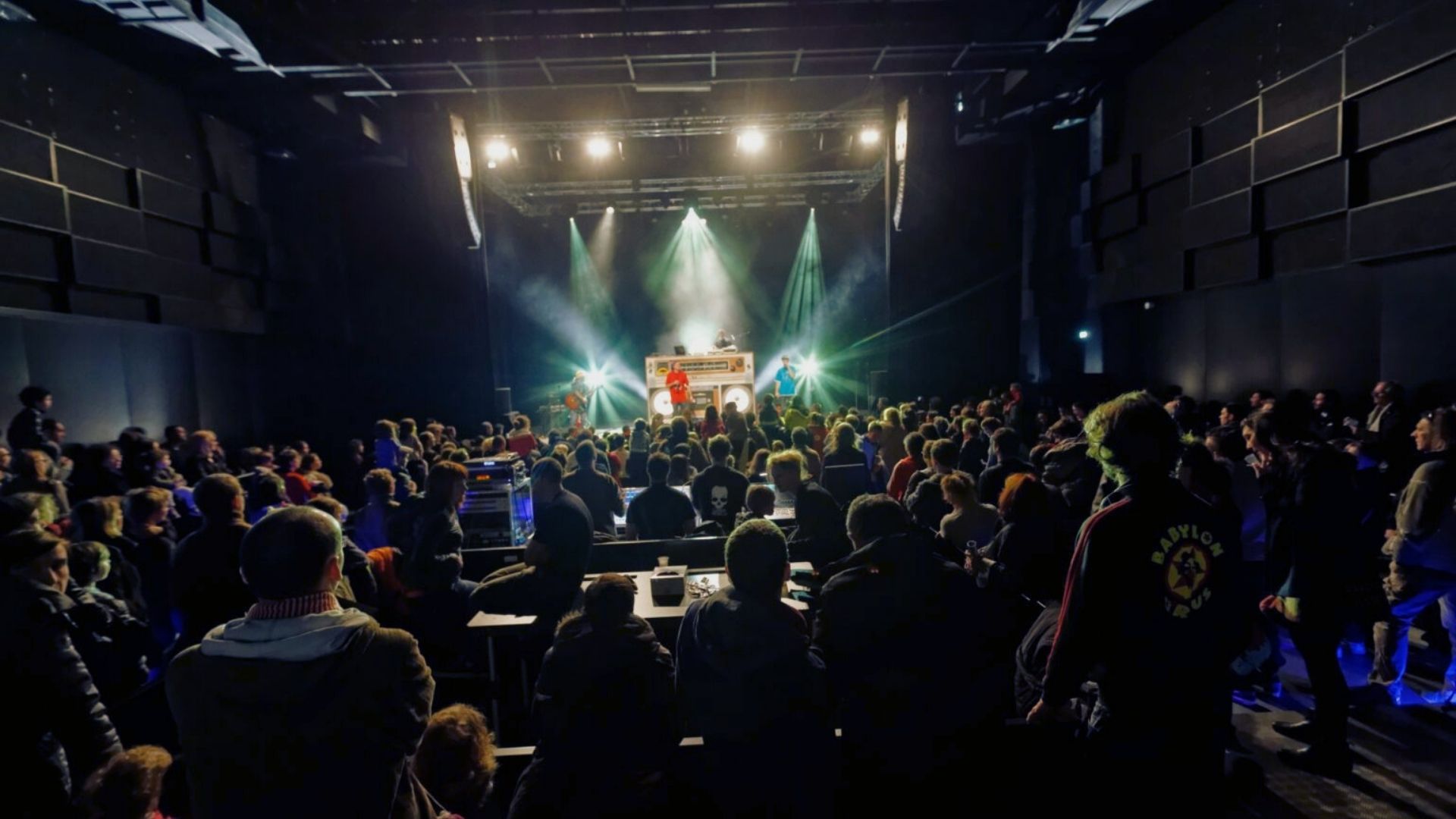
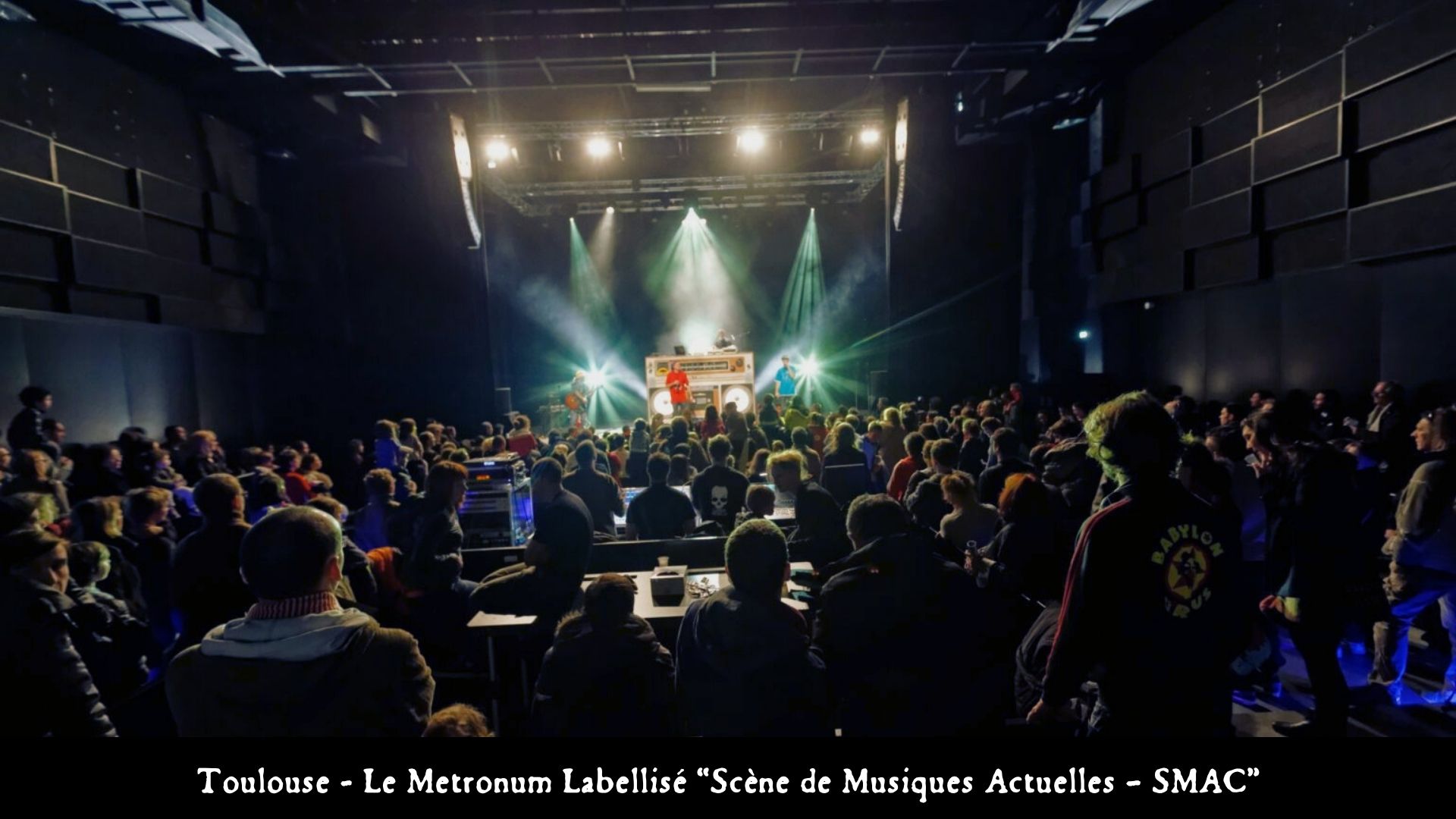
Since 1996, FRANCE’s Ministry of Culture has run a certification program called SCÈNE DE MUSIQUES ACTUELLES, or SMAC.
This label goes to venues that commit to a specific set of missions: regular programming of contemporary music across genres, support for both professional and amateur musicians, and cultural outreach in their local area.
What sets SMAC apart from a standard venue subsidy is the obligation that comes with it.
A venue doesn’t get the SMAC label just for booking whoever sells tickets. The label requires venues to actively program emerging and developing artists as a condition of keeping their funding.
This isn’t a token gesture — it’s a structural requirement built into the certification.
In return, each SMAC venue gets a guaranteed minimum of €100,000 a year from the state, plus whatever regional or municipal funding they can add.
There are about 100 of these venues across France, and the geography is what matters most for Portugal right now.
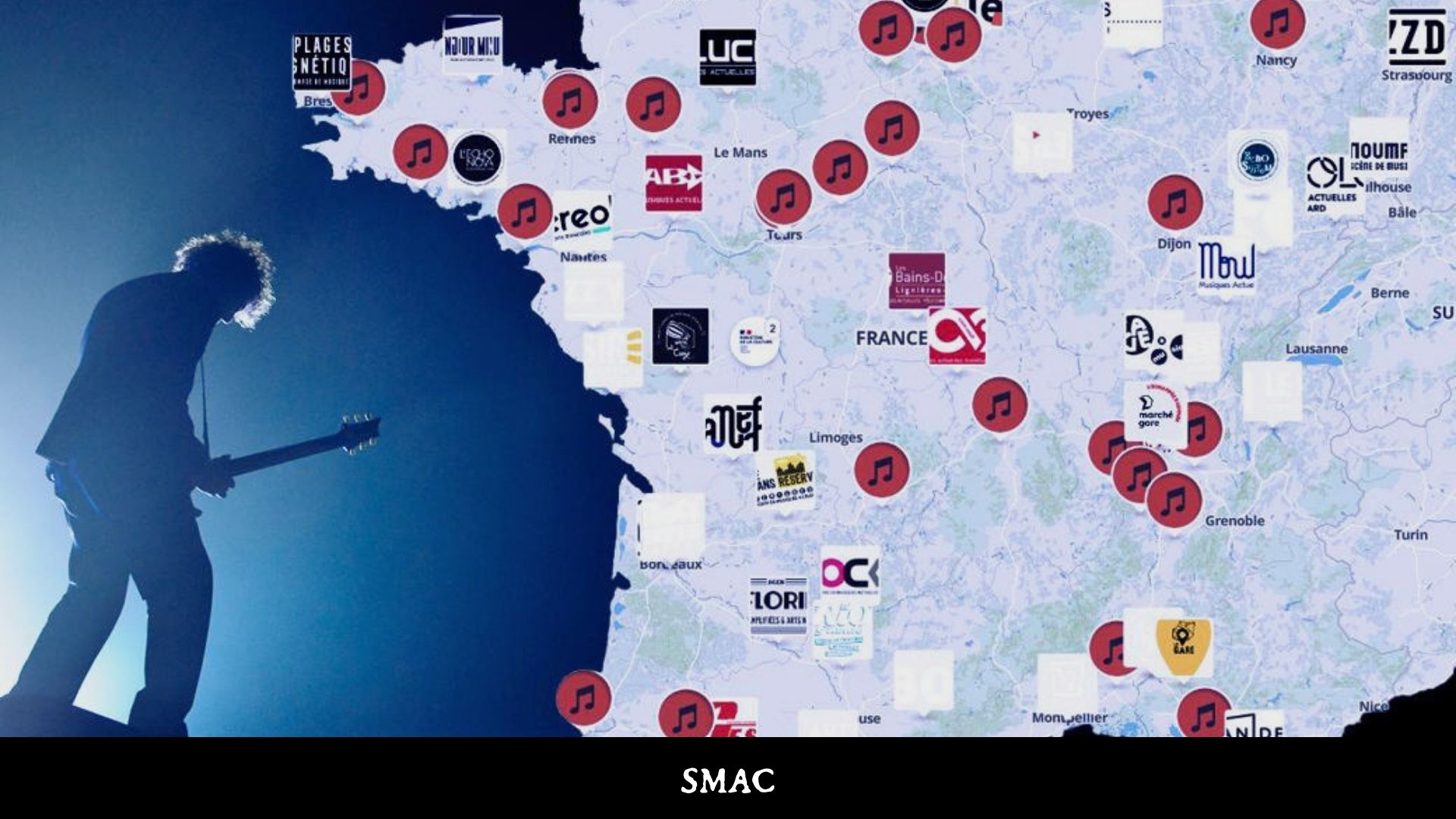
SMAC venues aren’t clustered in Paris and Lyon the way Portugal’s infrastructure is locked into Lisbon and Porto. They’re spread on purpose — urban and rural, small and mid-sized cities, regions with no obvious cultural draw, towns that a commercial promoter would never risk on their own.
Each SMAC venue usually combines a performance space with rehearsal rooms, so the same building that hosts a touring act on Friday night is teaching a teenager to play guitar on Tuesday afternoon. That combination — professional venue, rehearsal infrastructure, and a legal mandate to platform new artists — is exactly the three-part gap I pointed out in Portugal: nowhere for small bands to develop, nowhere consistent to play, and nothing tying the two together.
Portugal doesn’t need 100 of these overnight.
It would only take a handful, placed deliberately outside Lisbon and Porto — Coimbra, Braga, Faro, somewhere in the Alentejo— to start closing the gap between a “national tour” that means two cities and a “national tour” that actually covers the country.
## Iceland As A Mirror
If any country’s situation lines up with Portugal’s more directly than France, it’s ICELAND.
Small population, real geographic isolation from the main European touring circuit, and a domestic market too thin to sustain most bands without looking outward — every problem I named for Portugal applies to Iceland, only more so. Iceland built two specific mechanisms to answer them.
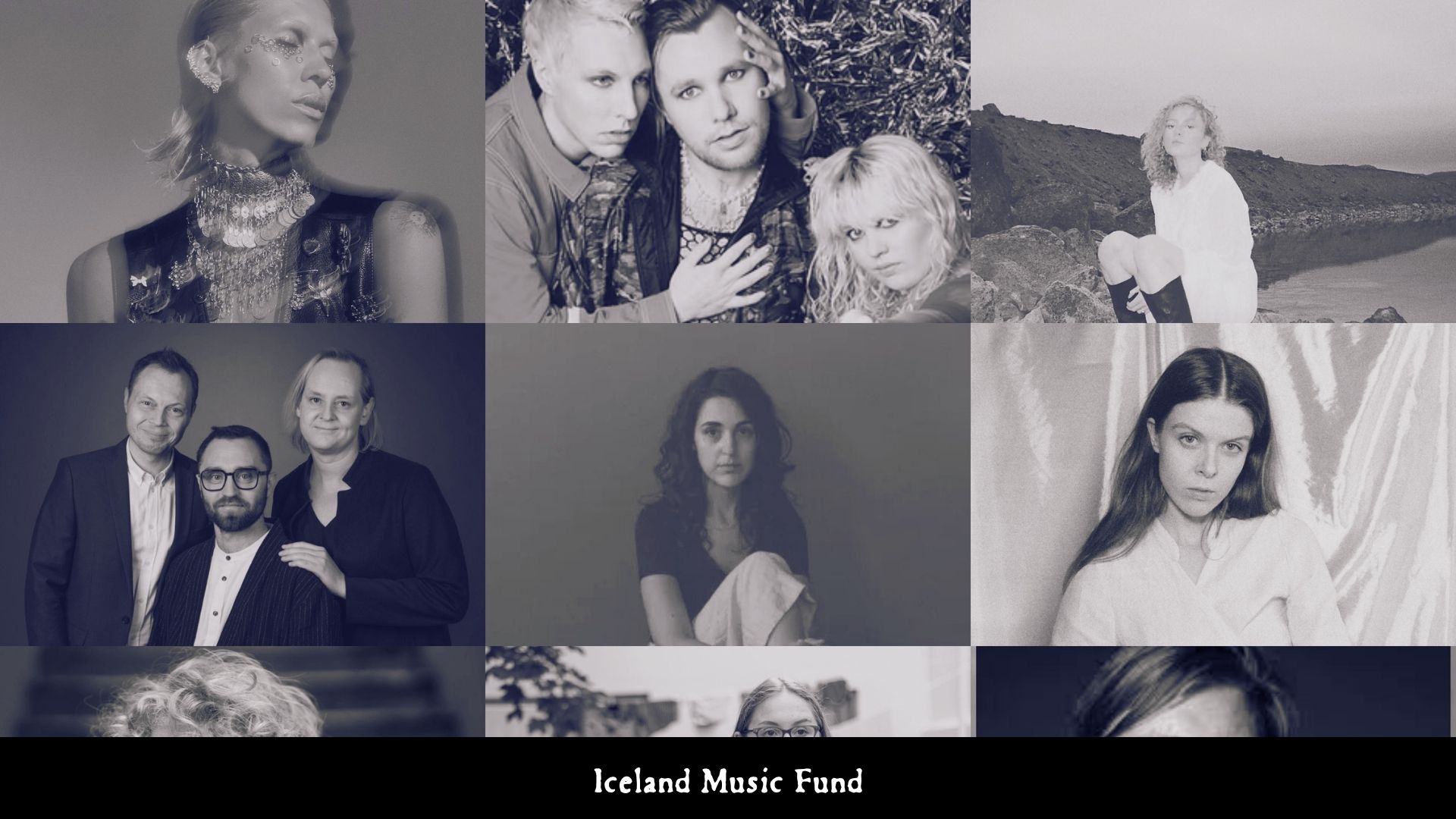
The first is ICELAND MUSIC, the country’s music export office, founded in 2006 through a partnership between rights-holder societies and both public and private funding.
At the center is a Music Fund with a dedicated travel grants stream, open for applications every two months with no minimum number of performances required. That’s deliberate — the point is to cover the cost of getting a small act somewhere worth playing, not to reward bands that already have enough shows lined up to justify the trip.
Grants run up to about €4,000 for travel within Europe and higher for trips further afield, covering up to eight people per application. It’s not huge money, but it answers the exact structural cost I pointed to as the reason Portugal gets treated as a detour instead of a stop: someone has to absorb the cost of routing a band to a market that isn’t on the way to anywhere else. Iceland’s answer was to make that someone the state, in small, frequent, low-friction grants instead of one big bureaucratic fund nobody can actually use.
The second mechanism is smaller in scale but even more directly matched to Portugal’s problem.
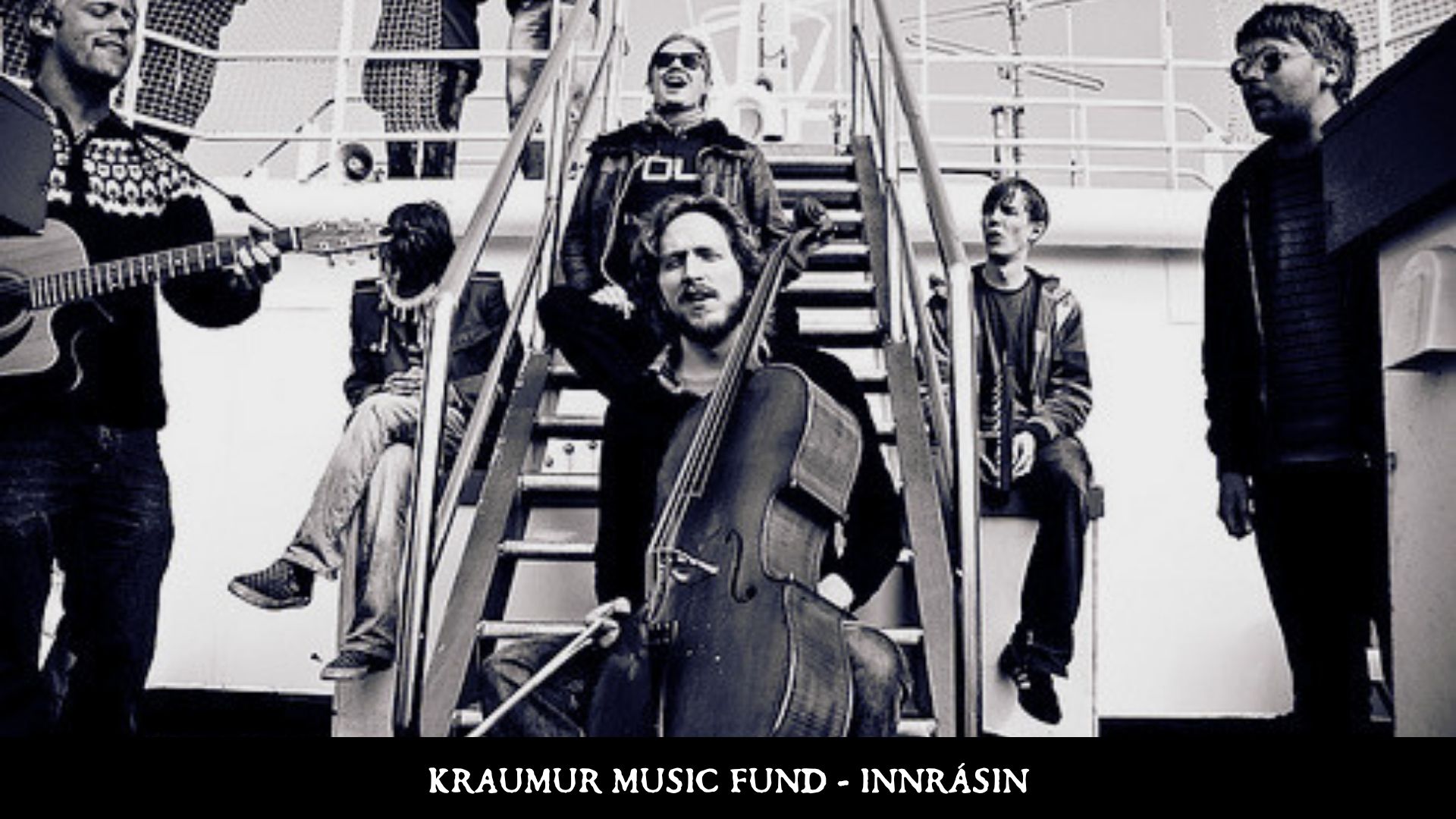
In 2008, the independent KRAUMUR MUSIC FUND launched INNRÁSIN, aimed at the domestic version of the same isolation: most Icelandic musicians are based in and around Reykjavík, and touring the rest of the country was almost as hard as touring abroad.
INNRÁSIN funded bands specifically to play towns outside the capital, reaching corners that would otherwise never see a real touring act.
That’s almost exactly the two-or-three-date ceiling I described as the reality of a “national tour” in Portugal— Lisbon, Porto, maybe Coimbra or Braga if the routing works out.
A Portuguese equivalent wouldn’t need to reinvent anything. It would just need a modest fund, run by an existing body like Fundação GDA, earmarked for bands to play a fourth, fifth, and sixth date somewhere routing currently makes impossible.
## The Missing Legal Structure
One detail from researching how bands actually tour Europe on a shoestring turned out to be more relevant to Portugal than anything else I found for this piece.
Across GERMANY, ITALY, and FRANCE, a huge share of the small-to-mid venues that host touring underground acts aren’t commercial businesses at all — they’re registered as cooperative, non-profit associations: a VEREIN in Germany, an ARCI-affiliated space in Italy, an ASSOCIATION in France.
The legal form changes by country, but the practical effect is the same: these venues are set up to pay a guaranteed fee to a touring band, no matter how many tickets sell that night.
That single mechanism answers the bleakest number I put in the first article: Portuguese bands, even the well-regarded ones, often walk away from a show with gas money and little else, because venues running on thin commercial margins in a low-income market can only pay what the door brings in.
A cooperative association structure breaks that cycle. The venue absorbs the financial risk across its whole season instead of dumping it on whichever band happens to play a slow Tuesday. That means a touring act can plan a date in a smaller Portuguese city with some financial certainty, instead of gambling everything on turnout.
This isn’t a foreign concept that needs new legislation. Portugal already has the legal category of associação sem fins lucrativos — the same basic tool Germany and Italy use for this exact purpose.
What’s missing isn’t the legal framework. It’s a handful of venues, or venue operators, choosing to structure themselves this way for live music, the way OCCII in Amsterdam has run as a DIY cooperative space hosting European tours since 1992, never needing a booking agency or commercial promoter to make a date work.
## What Portugal Already Has, And Doesn’t Fully Realize It
In the first article, I pointed to Portuguese hardcore as the one genre here that built something close to a self-sufficient structure, leaning on the same community-run, band-to-band booking logic that underpins the cooperative venue model above.
That wasn’t a side note — it’s the clearest evidence that this approach already works in Portugal, just without the scale or institutional backing that turns an informal network into something durable.
The gap between what Portuguese hardcore built informally and what France’s SMAC network or Iceland’s export office built with state backing isn’t a gap in the idea itself. Both are versions of the same principle: spread the financial risk of touring across a network, instead of leaving each show to sink or swim on its own door money.
Hardcore did it through trust and reciprocity between bands and small venues. France made that trust structural and legally mandated. Iceland put state money directly behind the specific cost — travel and routing — that isolation makes hardest to absorb.
## What’s Left To Build
None of these models requires reinventing Portugal’s live scene from scratch.
Each one answers a specific, already-diagnosed problem with a specific, already-proven mechanism.
SMAC tackles the geographic concentration problem by putting real infrastructure and a legal mandate outside the two dominant cities.
Iceland’s travel grants answer the routing-cost problem that keeps Portugal a detour instead of a stop. Innrásin answers the domestic touring problem directly, almost as if it was built for Portugal’s situation. The cooperative association model answers the gas-money problem by changing who absorbs a show’s financial risk.
What connects all four is that none of them depend on Portugal suddenly having more money than it does.
Iceland’s travel grants aren’t large. SMAC’s minimum funding per venue is modest by national standards. The cooperative association model costs nothing to set up beyond the paperwork that already exists under Portuguese law.
The real constraint hasn’t been resources — it’s been the absence of anyone connecting Portugal’s actual cultural funding bodies (Fundação GDA, CENA-STE, Plateia, all already covered in the first piece) to a specific, targeted mechanism aimed at the three or four structural gaps this two-part piece has now laid out.
Whether any of this actually happens here isn’t something either article can answer. But the case against trying gets much weaker once it’s clear these aren’t hypothetical solutions. They’re running right now, in countries with populations Portugal’s size or smaller, dealing with distances and isolation Portugal’s live scene knows all too well.
The models exist.
What’s missing is someone deciding Portugal’s underground is worth building real infrastructure for.
## Useful Links
Organizations & Programs
Fédélima (SMAC network): [Website](https://fedelima.org)
Ministère de la Culture — SMAC label: [Website](https://www.culture.gouv.fr/thematiques/musique/spectacle-vivant-musical/musiques-actuelles/scene-de-musiques-actuelles-smac)
Iceland Music: [Website](https://www.icelandmusic.is)
OCCII (Amsterdam): [Website](https://occii.org)
From Part One
Fundação GDA: [Website](https://www.fundacaogda.pt/)
CENA-STE: [Website](https://www.cena-ste.org/)