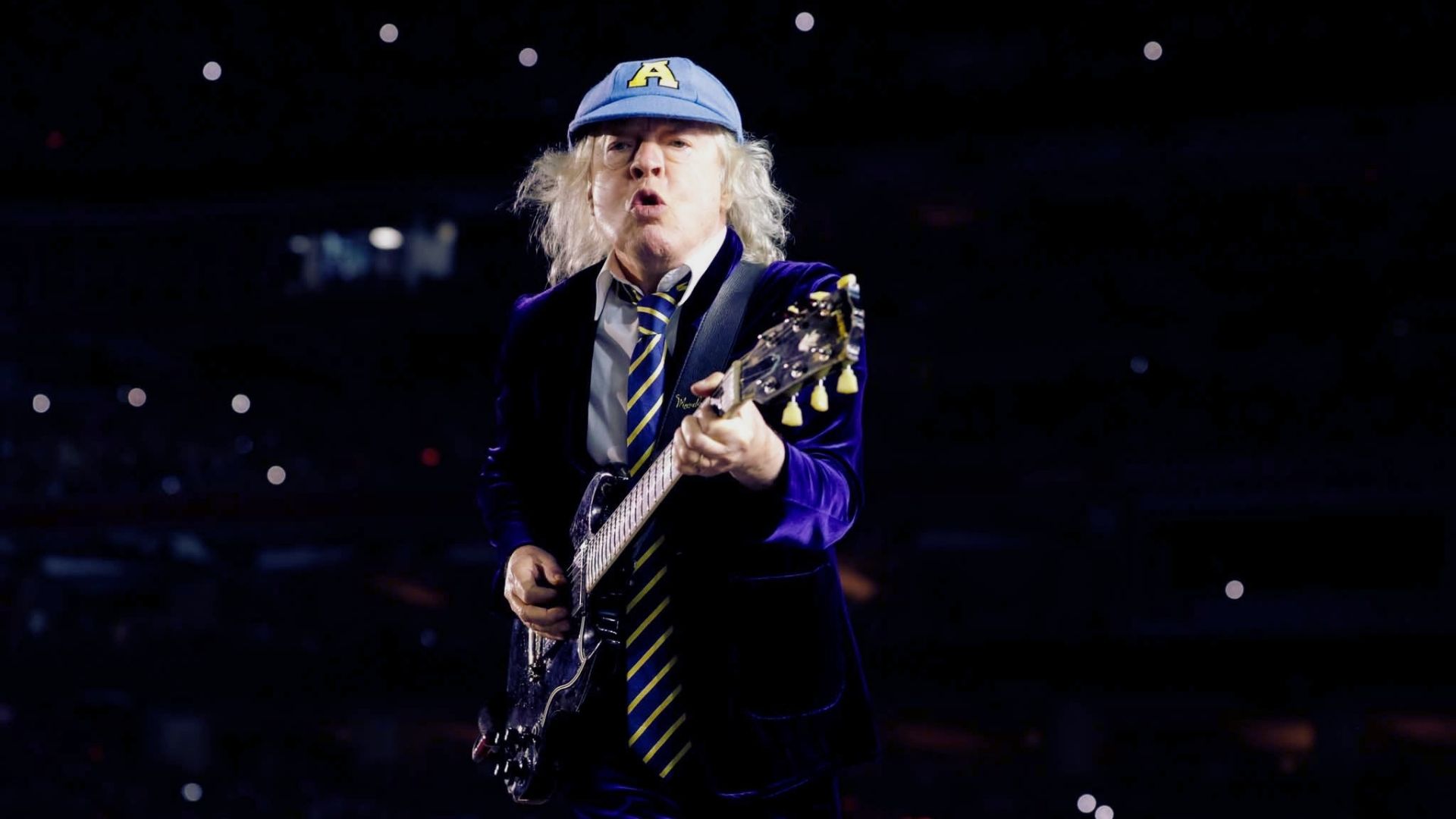
AC/DC started in Sydney in 1973, founded by brothers Malcolm and Angus Young, and played their first show on New Year’s Eve at Chequers Nightclub.
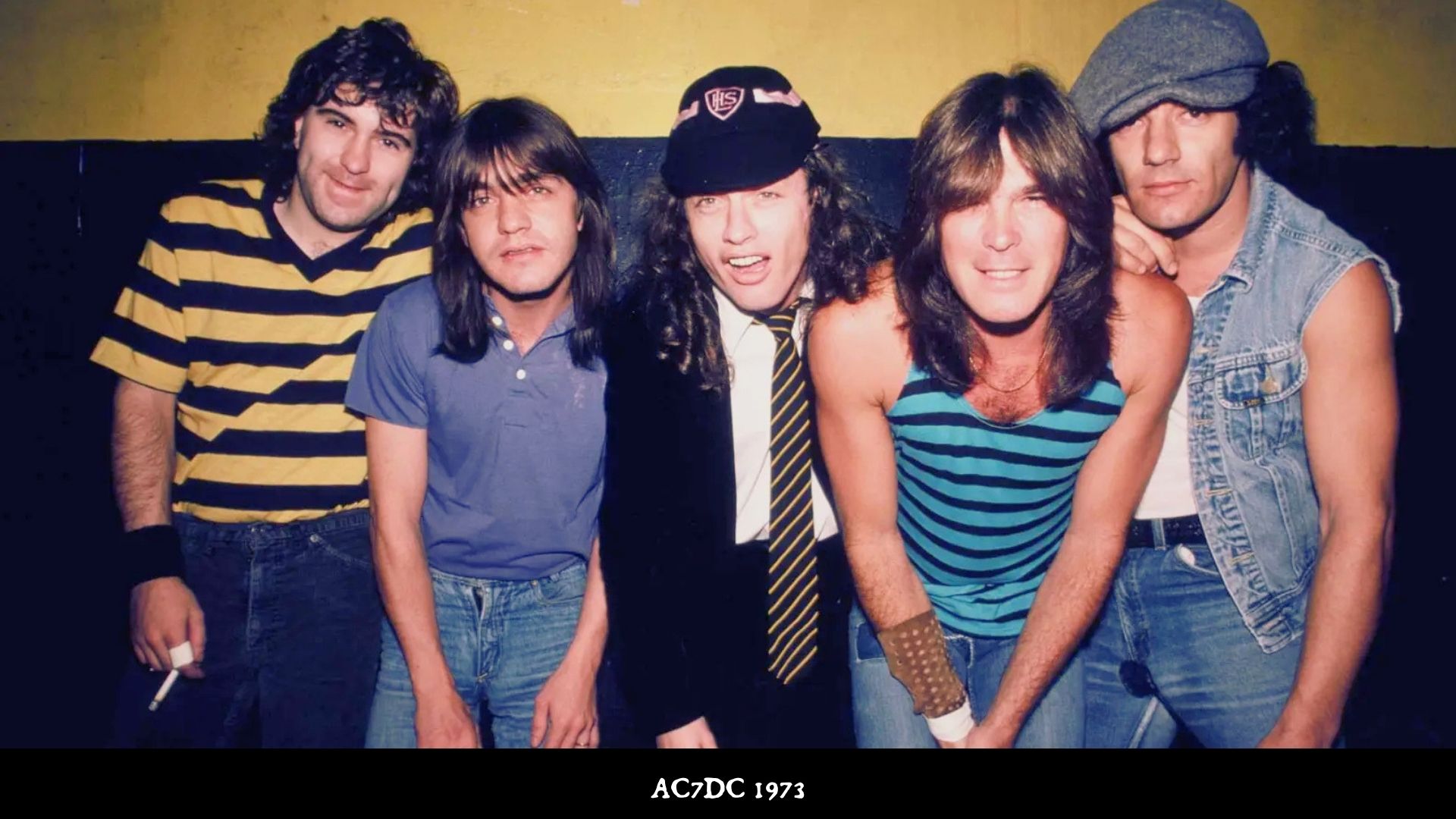
Their older brother George Young, already known from THE EASYBEATS, shaped the band’s sound from the beginning, producing the early records with Harry Vanda.
The 1975 debut, _“High Voltage,”_ is a band still working out what it wants to be, mixing styles and lineups more freely than anything that followed. The next record, _“T.N.T.,”_ is where the formula locks in: hard-edged, blues-rooted rock and roll, no more experiments needed. Vanda and Young stayed in the producer’s chair through 1978’s _“Powerage,”_ a record that Keith Richards, Eddie Van Halen, and Joe Perry have all called their favorite AC/DCalbum. It’s built on a raw, live-in-the-room energy that Cliff Williams, new to the band then, described as genuinely fiery to record.
That changed with _“Highway to Hell”_ in 1979, and not because the band wanted it. The US label pushed for an outside producer, aiming for a more radio-friendly sound, and George Young was sidelined. The band felt that as a real loss. Robert John “Mutt” Lange took over, and the results — bigger choruses, sharper guitars, more polish — carried through _“Highway to Hell,”_ _“Back in Black,”_ and _“For Those About to Rock.”_ This was the commercial peak, but it cost them the rawness that defined the first five years.
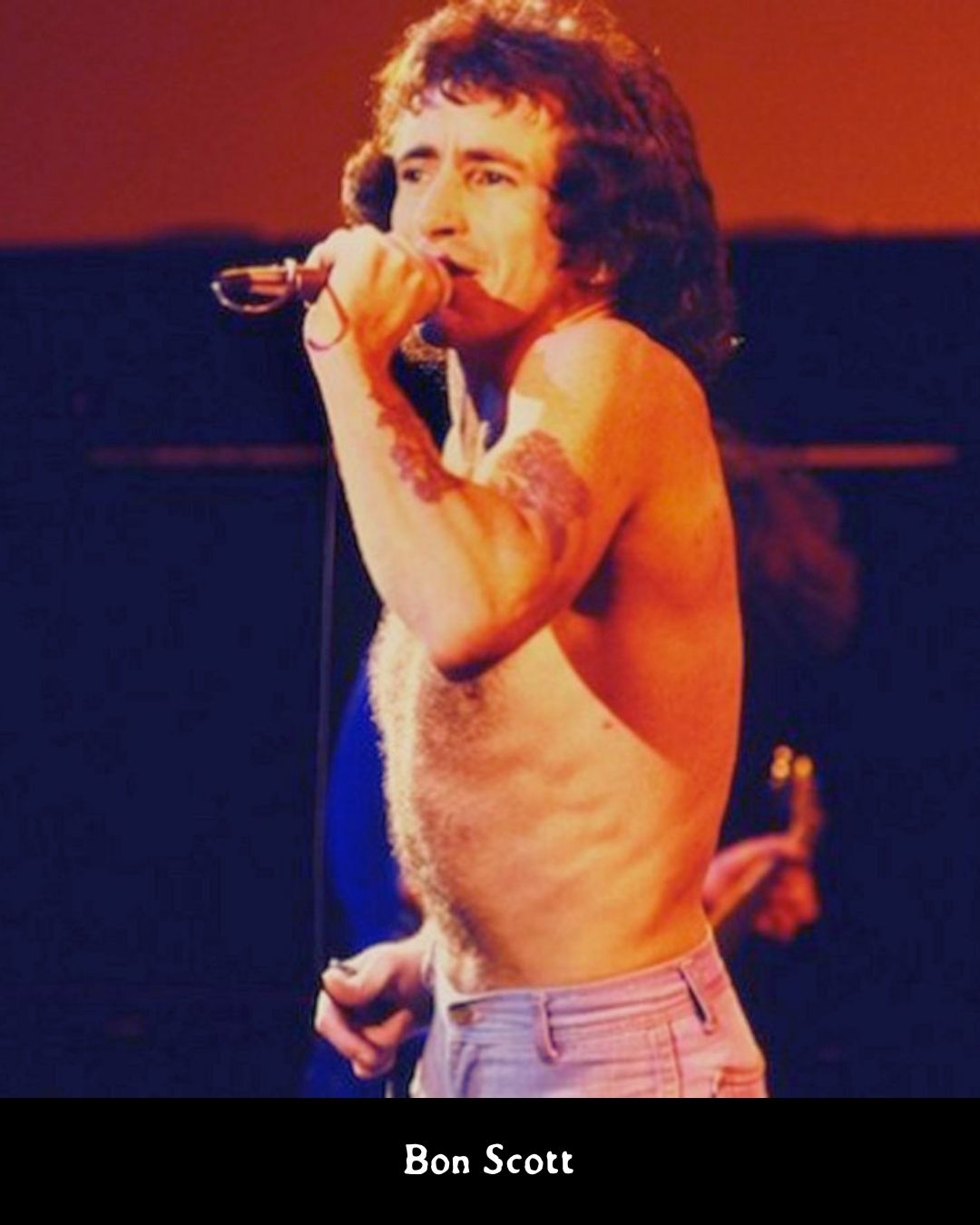
When AC/DC self-produced _“Flick of the Switch”_ in 1983 and then had Malcolm and Angus produce _“Fly on the Wall”_ in 1985, neither record landed the same way.
By 1988’s _“Blow Up Your Video,”_ Vanda and Young were back in the chair. That was the band quietly admitting they needed outside ears after all.
The 1990s brought another shift.
Bruce Fairbairn produced _“The Razor’s Edge”_ in 1990, the record with _“Thunderstruck,”_ and then Rick Rubin took over for 1995’s _“Ballbreaker.”_ Rubin’s process was famously exacting — some songs took up to fifty takes — and by most accounts it left the band drained, not energized. That is why _“Stiff Upper Lip”_ sounds the way it does. Fairbairn was supposed to produce it, but he died in 1999, and George Young stepped back in with a clear goal: get away from Rubin’s perfectionism and record fast, loose, and simple, the way the band always had before. That was the session I ended up inside in Berlin. Watching it happen, the choice made sense. The songwriting in that room was not labored over. It moved.

The records that followed — _“Black Ice”_ (2008), _“Rock or Bust”_ (2014), _“Power Up”_ (2020), all produced by Brendan O’Brien — sound bigger and more modern than anything from the '70s, but structurally they are not far from _“T.N.T.”_ Riff, verse, chorus, solo, done.
Five decades and a rotating cast of producers later, the polish is what has changed. The songwriting instinct underneath it has not. It is the same “one mind, several bodies” way of working I saw firsthand, whether the record was made by four founding members or by a lineup now down to one.
That thread — the instinct staying constant while everything else around it changed — runs all the way back to the band's earliest lineup crisis, long before I ever set foot in a studio with them.
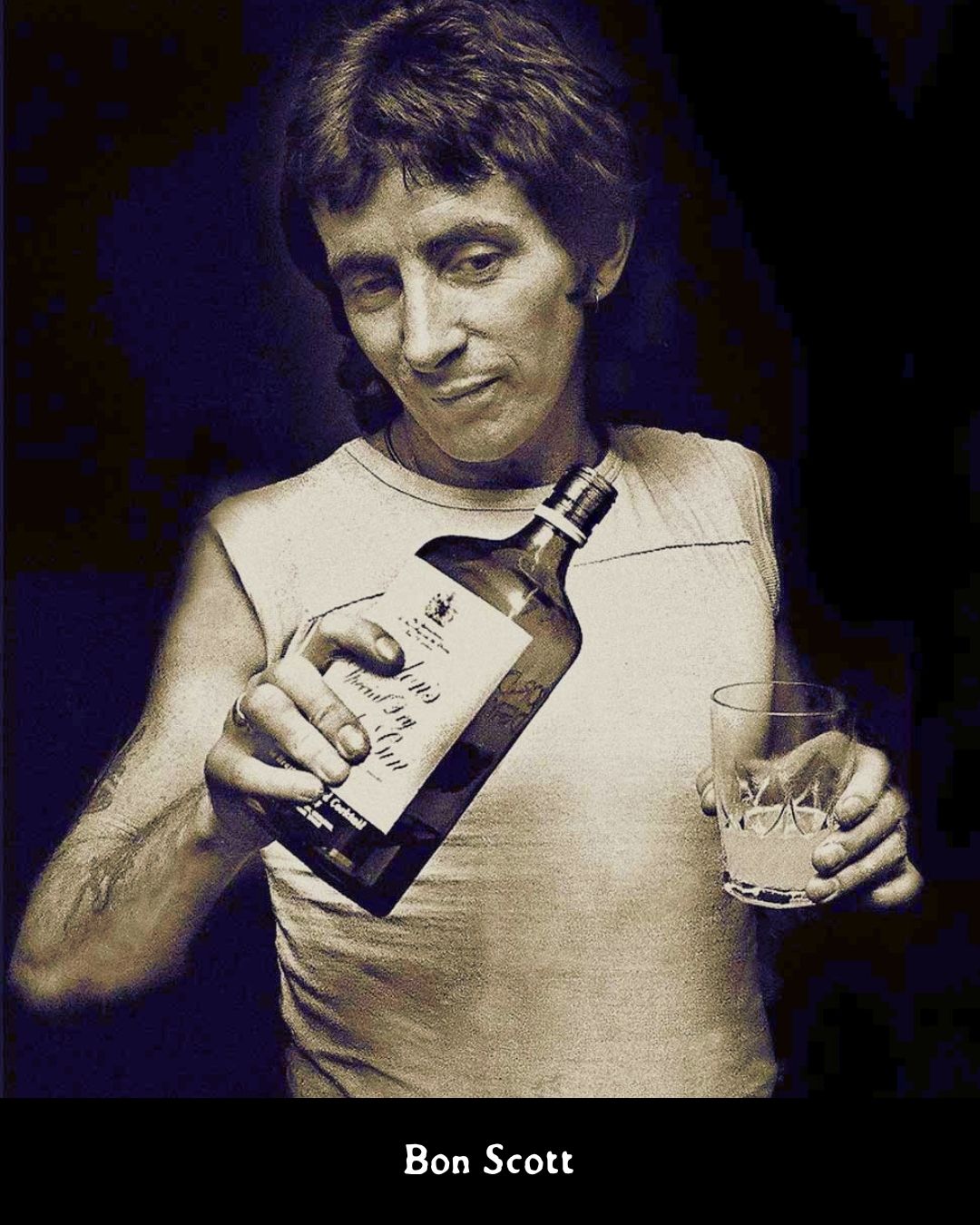
Bon Scott fronted the band through the '70s, until he died in February 1980 after a night of heavy drinking. What happened next is usually told as a triumph: Brian Johnson stepped in, and that same year the band released _“Back in Black,”_ which has sold over 25 million copies in the US and stands as one of the best-selling albums ever made. What gets left out is how fast it happened, and how much weight Johnson carried stepping into a dead man’s band within months of the funeral. That is not a triumph story. That is just people doing what they had to do.
[VIDEO:https://youtu.be/pAgnJDJN4VA?si=RIC_dCg88erfjHhg]
By 1999, Phil Rudd was back for his second stint with the band. He had played with AC/DC from 1975 to 1983, left during a rough patch, and rejoined in 1994. The band was working on _“Stiff Upper Lip.”_ I spent two weeks that year at a large studio in Berlin called Pyramix, which closed in 2004, working as production, recording, and mixing engineer on some of the album’s songs.
[VIDEO:https://youtu.be/S2Z8WIlaPH4?si=_mjDUb7sp5J_P6pD]
My job was mostly about matching what they already had. The guitar and bass tones were set from earlier sessions, so most of the work was choosing the right microphones, preamps, and compressors to fit inside that sound, not reinvent it. Tape calibration had to be right before anything else could happen. The vocal chain took the most experimentation. We tried a run of microphones before settling on a U47 into a NEVE 1073, then through a serial compression chain of an LA-2A and an old BLUETECH unit. Small decisions, but they are the kind that decide how a whole record sits once it is mixed.

What struck me most, watching them work, was not the gear. It was how completely aligned they were with each other. They came in with demos already sketched out, but the songwriting in the room was loose and natural. Someone would drop a simple guitar riff or hum a vocal melody, and the rest would build around it without much discussion. It did not feel like a band negotiating ideas. It felt like one mind working through several bodies. We recorded guitars, vocals, and bass across those two weeks. About half of what we tracked was scrapped, and the rest went back with them on tape for further sessions.
Off the mic, they were genuinely good company. Full of stories, easy to be around, none of the distance you might expect from a band that size. But the engineers and producers did not get much of that. The schedule was tight, the days were long, and by the time there was room to sit and talk, everyone was already thinking about the next session. I got glimpses of who they were outside the work, but only glimpses. The album came out that February. I still hear that room every time it plays.
The band’s history since then has been rougher than most casual fans realize.
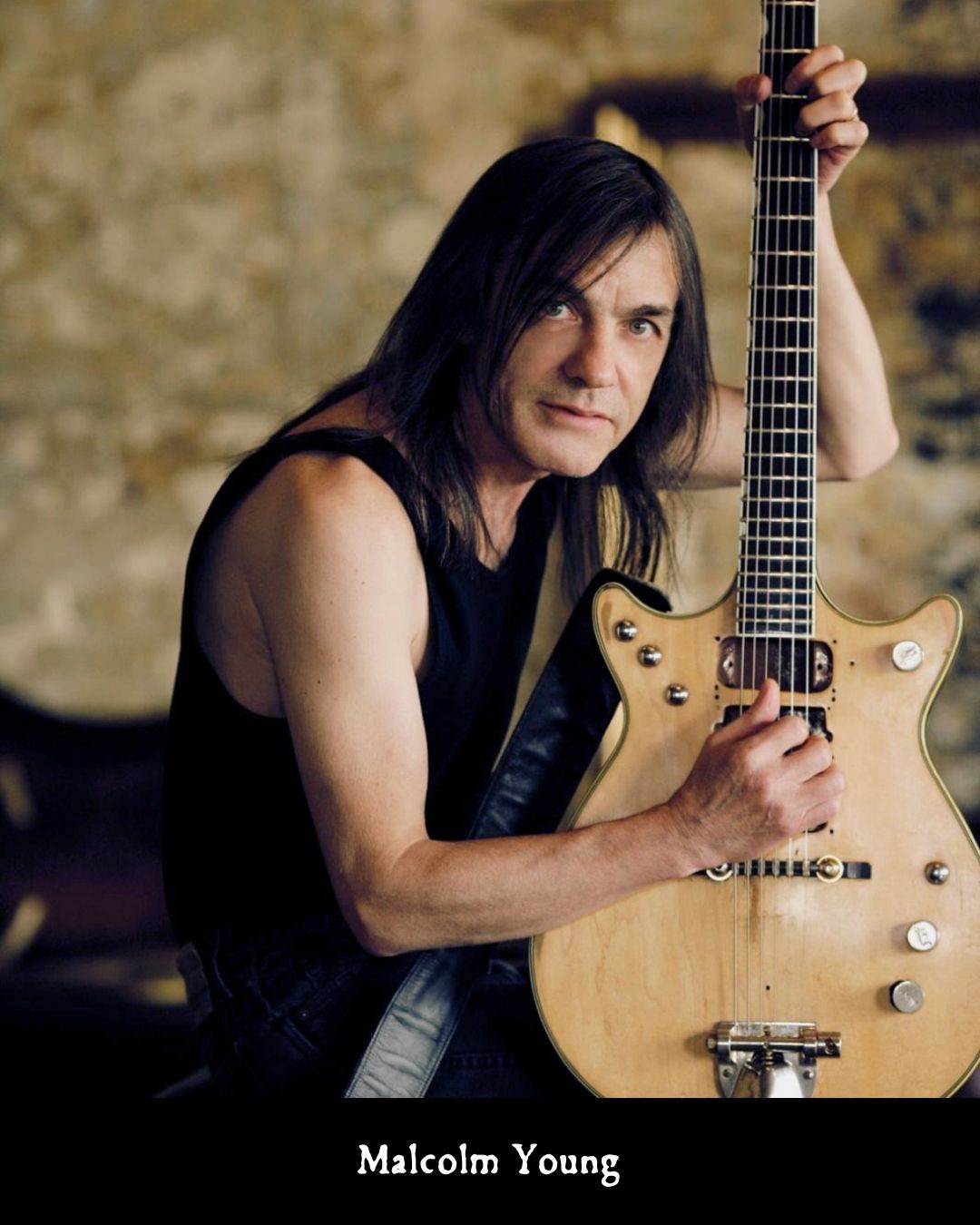
Malcolm Young, rhythm guitarist, co-founder, and by most accounts the band’s real backbone, was diagnosed with dementia and stepped away in 2014. He died in 2017. His nephew Stevie Young took over rhythm guitar and has held that position ever since, playing a role that was never going to be simple.
That same year, Phil Rudd’s situation turned genuinely dark. In November 2014, he was arrested in New Zealand and initially charged with attempting to procure a murder, a charge prosecutors dropped within a day for lack of evidence, alongside charges of threatening to kill a former employee and drug possession. He pleaded guilty to the reduced charges in 2015 and was sentenced to eight months of home detention.
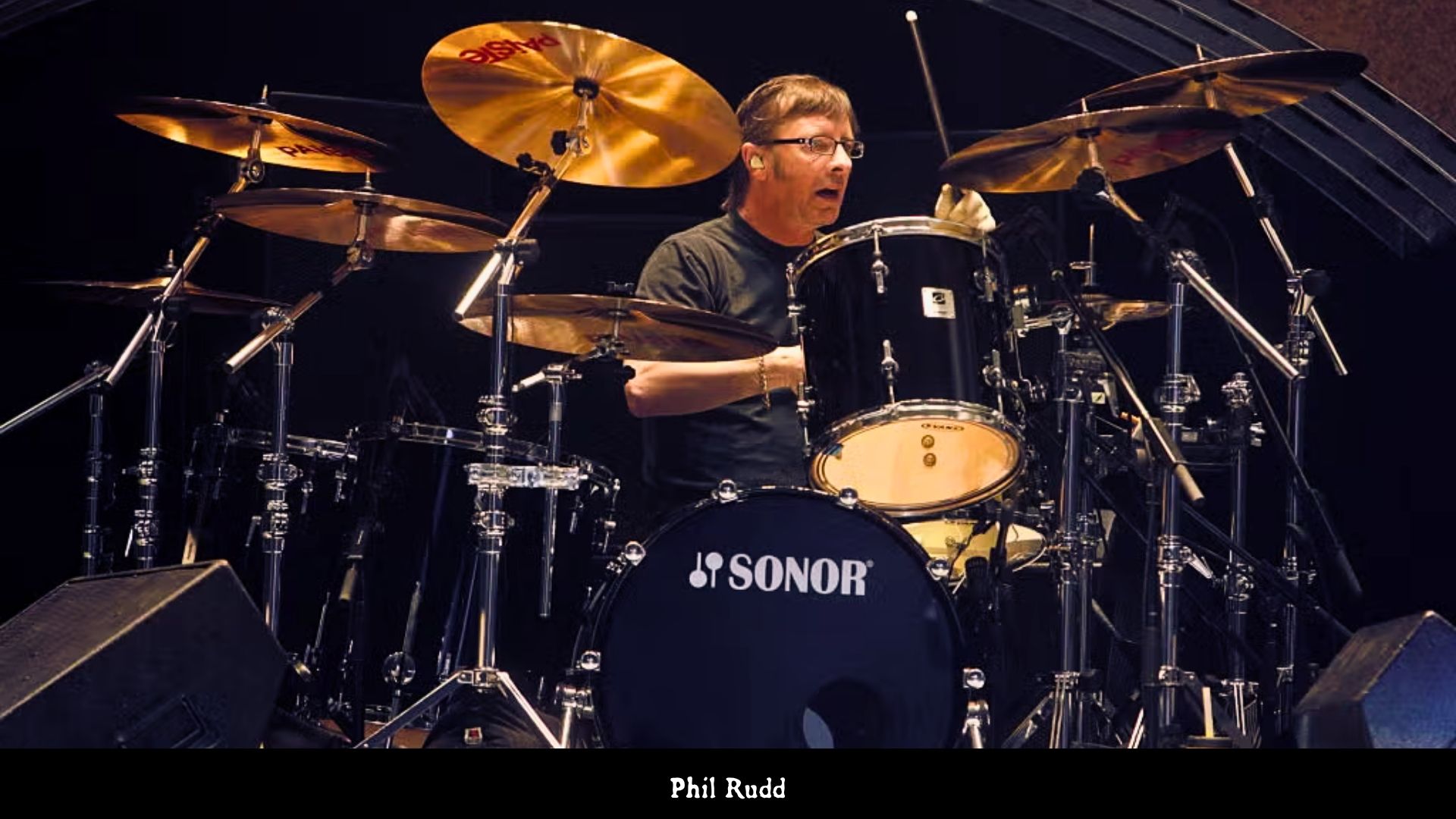
Chris Slade, who had drummed for the band in the early '90s, stepped back in for the “Rock or Bust” tour. Rudd eventually returned, quietly, to record on 2020’s _“Power Up,” but he ha_s had no place in the band’s live shows since, replaced on stage first by Slade and then, from 2023, by Matt Laug.
The losses kept compounding. In 2016, Brian Johnson was forced to leave the “Rock or Bust” tour mid-run because doctors told him he risked permanent hearing damage if he kept performing. Axl Rose filled in for the final 22 shows so the tour could finish. Bassist Cliff Williams retired not long after, telling one interviewer: “Losing Malcolm, the thing with Phil, and now with Brian, it’s a changed animal. I feel in my gut it’s the right thing.” For years, it wasn't dramatic to say the band might simply be over.
Angus Young was, for a while, the only one still standing.
He kept it going anyway. _“Power Up”_ arrived in November 2020, the band’s first album since Malcolm’s death, built in part from ideas he left behind and framed as a tribute to him. It reached No. 1 in 21 countries.
[VIDEO:https://youtu.be/54LEywabkl4?si=7U6LYNpTSL8Zt3uW]
Then something unlikely happened: the pieces started coming back. Brian Johnson returned, and on October 7, 2023, AC/DC played Power Trip festival in Indio, California, their first show in seven years, with Cliff Williams coming out of retirement for the one-off and Matt Laug on drums.
A full European tour followed in 2024, marking fifty years since that first Sydney show, with Chris Chaney now on bass “to carry the torch for Cliff.” An Australian leg closed out that year. North America followed in 2025, the band’s first dates there since 2016, and 2026 has taken the tour through South America and back across North America, with new Canadian dates added along the way.
Fifty years in, and after losing this many pieces along the way, most bands wouldn't have made it this far at all — which is what makes the comparison to their peers worth making. Set next to other legacy rock acts still active, AC/DC’s path looks unusual.
KISS retired from the road in 2023 and replaced themselves with motion-captured avatars for future shows, choosing to preserve the image rather than keep real musicians in the lineup.
Journey have spent the past few years in lawsuits and public feuding, with founding keyboardist Jonathan Cain’s exit finally confirmed this year, leaving guitarist Neal Schon as the lone original member holding together a band strained by its own history.
The Rolling Stones are reportedly finishing a new album partly built around old drum takes from the late Charlie Watts and bass parts from long-departed Bill Wyman, and any 2026 tour plans have quietly fallen away.
Rush, on the other end, waited over a decade after Neil Peart’s death before attempting any kind of return, and even now it is Geddy Lee and Alex Lifeson with a new drummer, not a full working band.
Iron Maiden and Metallica are the closer comparisons. Both have kept remarkably stable lineups for decades and are touring hard through 2026 without anything like AC/DC’s string of losses to work around.
AC/DC sit in a stranger, harder place than any of them. They have absorbed a founding member’s death, a drummer’s criminal case, a singer’s ruined hearing, and a bassist’s retirement, and instead of dissolving, digitizing, or quietly fading into a farewell lap, they replaced the pieces and went back on tour. That is not the same as KISS’s avatars preserving an image, and it is not the slow, careful reunion Rush chose. It is closer to just refusing to stop being a band.
Angus Young, now the band’s only original member left, still does the duckwalk and still solos for two hours a night. He’s 71.
Brian Johnson turns 79 this October.
Asked recently where they’d like to play their last show, neither one gave a straight answer. “I hope it’s not my funeral,” Young said. Johnson shot back, “Upstairs rather than down.” Pressed further, Young just said, “On Earth? It’s a tough, tough call.” When the conversation turned to legacy, Young kept it short: “I would just say ‘a great rock band.’” Johnson agreed: “They were great at what they did. And they did it consistently.”
I have read a fair amount of AC/DC coverage over the years, and most of it splits into two camps.
There is the anniversary-piece version, which treats the band as a monument: dates, sales figures, “greatest ever” framing, nothing that could not have been written by someone who never heard a note of the actual record. And there is the fan-nostalgia version, which is warmer but just as flat, built entirely from the outside looking in: the gig you saw, the album that shaped your teenage years, the t-shirt you still own. Neither one gets near what it actually felt like to watch this band make a record — the specific, unglamorous mechanics of two guitarists agreeing on a riff without a word, or a vocal chain getting rebuilt three times in an afternoon because nobody was satisfied yet. That is the gap I am trying to close here. Not because my two weeks in Berlin make me any kind of authority on AC/DC as a whole — I am not — but because that specific, granular view of how they actually worked together is something I do not think exists anywhere else in print, and it deserves to be part of the record.
I was inside that process for two weeks in Berlin, a long time ago now. It still means something.